Food preservation is a major concern for reducing waste and optimizing available resources. With the constant increase in the global population and the ecological challenges that arise, mastering preservation techniques has become essential. Whether it’s to maintain the freshness of fruits and vegetables, extend the shelf life of dairy products, or ensure proper storage of meats, methods vary and adapt to different types of food. Consumers and food professionals are constantly seeking tips and innovative solutions to keep food edible for longer while preserving its nutritional and taste qualities.
Storage Space Optimization and Organization Rules
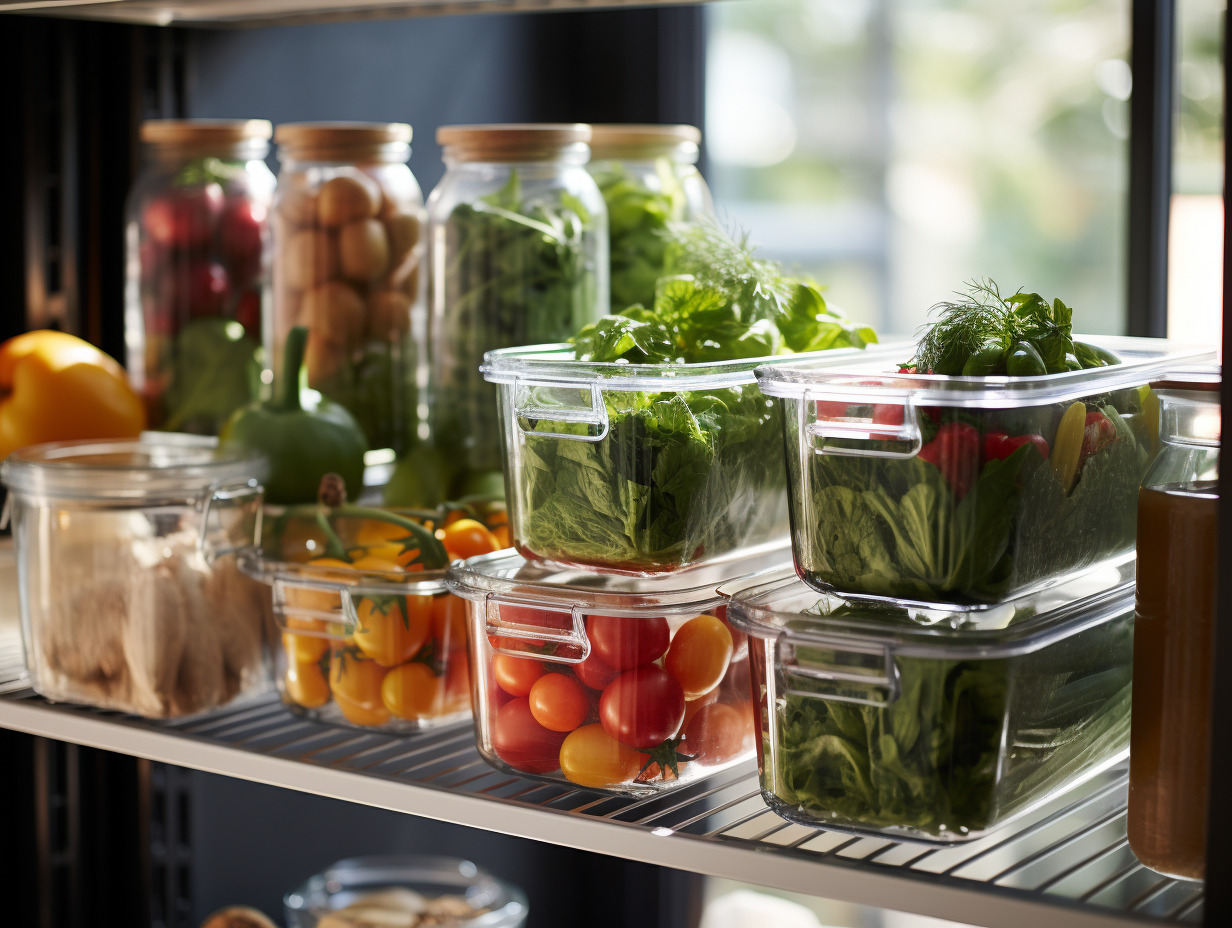
Storing food in the fridge requires a methodical approach. In this regard, the organization of the refrigerator and freezer is fundamental. Set your refrigerator to a temperature of 0°C to +4°C and your freezer to -18°C to ensure effective preservation. Thoughtful organization not only helps avoid waste but also maximizes available space, making it easier to access products and limiting the risk of contamination.
Food packaging is another critical point. At Our Little Stoves, each product is packaged to preserve its quality and contribute to optimal preservation. Proper packaging acts as a barrier against moisture, oxidation, and harmful organisms that can spoil food.
In the quest to prevent food poisoning, cleaning the refrigerator is an essential step. Impeccable hygiene is the foundation of food safety. Therefore, periodic cleaning is necessary to eliminate bacteria and mold that may develop in a cold environment.
Attention to detail doesn’t stop there. Consider recommendations related to temperature and expiration dates. Fruits and vegetables, for example, retain their freshness for 4 to 5 days if cold conditions are maintained. The visibility of use-by dates and the judicious use of preservation according to food categories complete this preventive measure against food waste.
Modern and Traditional Preservation Techniques
In the current era where food preservation poses a daily challenge, modern techniques coexist with ancestral methods. Vacuum preservation, for example, proves formidable for extending the shelf life of products such as meat or fish, keeping them fresh for 2 to 3 days, or even 3 to 4 days for fish. This technique, by creating an anaerobic environment, prevents the development of many microorganisms responsible for spoilage.
At the same time, traditional preservation has not lost its relevance. Salting, smoking, and lactofermentation are proven methods that have stood the test of time. These practices, although less precise than the temperature regulations of modern refrigerators, allow for the preservation of foods like dairy products, which can exceed 30 days of storage after production without the need for electricity.
Room temperature, often overlooked, plays a crucial role in the preservation of fruits and vegetables. A cool, dry room, away from direct sunlight, can maintain their freshness for a period of 4 to 5 days. As for prepared dishes, which have a shelf life of 2 to 4 days, they require special attention regarding the use-by date or best before date, reliable indicators of expiration that should not be exceeded to avoid the risks of food poisoning.