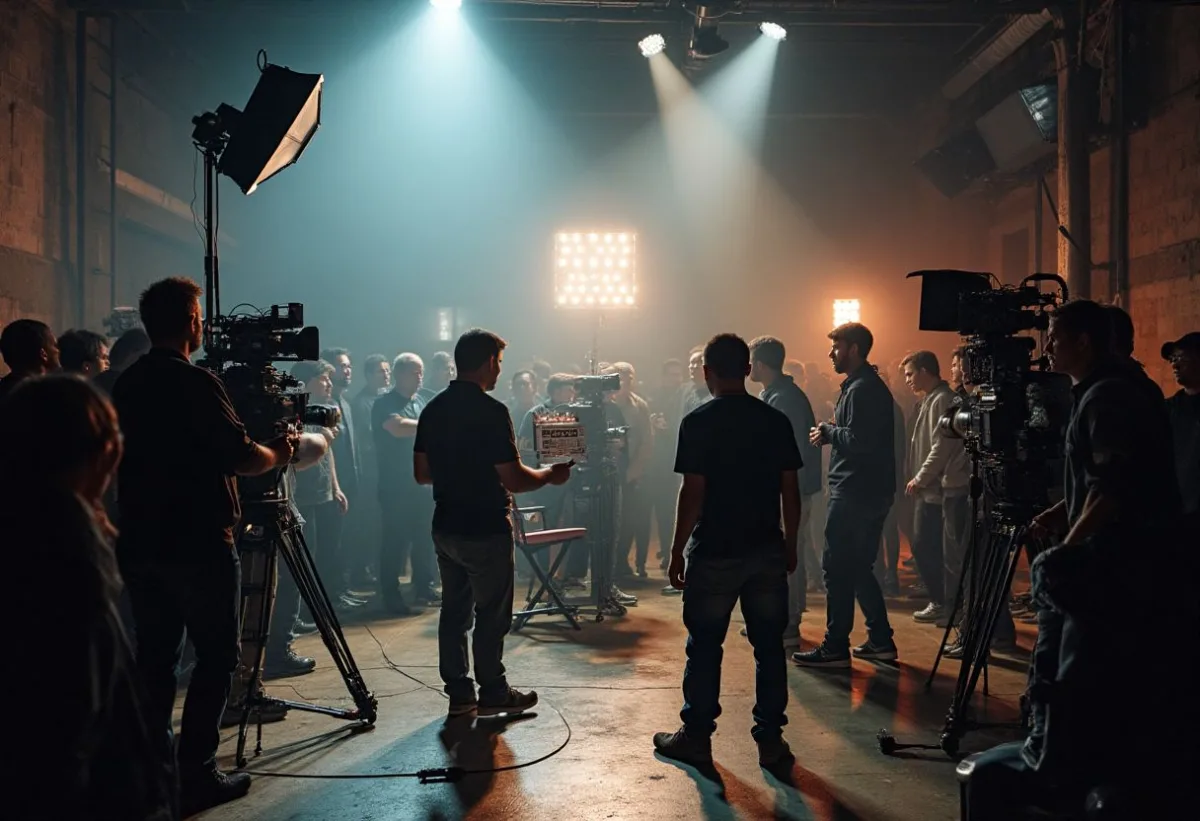
The fascinating world of audiovisual media attracts thousands of enthusiasts each year who wish to turn their passion into a profession. Audiovisual schools play a crucial role in training the future experts of this dynamic industry. Offering a variety of programs ranging from film production to digital content creation, these educational institutions are essential for anyone looking to make their mark in the media world. While some still see this path as a distant dream, the reality is that access to these schools and their resources can be the first step toward a promising career. The diversity of jobs offered, the wealth of skills taught, and the opportunities they open up make audiovisual education a captivating field.
The different types of audiovisual schools
Being interested in audiovisual schools involves understanding the variety of options that exist. Each type of school offers a unique approach and distinct specializations.
- Public schools often offer generalist training recognized by the State, which can reassure students seeking academic legitimacy. They provide programs that combine theory and practice, allowing students to develop a deep understanding of the industry.
- In contrast, private schools can boast a more specialized approach, with often more modern facilities and access to cutting-edge equipment. They emphasize intensive training, often in small groups, fostering more personalized attention.
- Vocational training centers focus on the practical and technical aspects of the profession, preparing students for quick entry into the job market. These centers offer short but intensive courses, centered on immediately applicable skills.
- Finally, art and design schools often integrate audiovisual modules into their programs, bringing an artistic and innovative dimension to the training. They encourage students to develop their creative sense and push the boundaries of visual storytelling.
Key skills developed in these institutions
The journey in an audiovisual school is not limited to learning specific techniques. It is also about developing a set of essential skills to succeed in this competitive sector.
Technical mastery is undoubtedly one of the most obvious aspects. Students must familiarize themselves with filming equipment, editing software, and post-production techniques. This know-how is essential to transform a creative idea into a finished product.
Creativity is another central pillar of learning. Schools encourage students to explore new ideas, experiment with different styles, and develop their own narrative voice.
Teamwork is also crucial, as audiovisual production is often the result of a collective effort. Learning to collaborate effectively with other creators is a valuable skill that is acquired throughout the training.
Finally, project management is an essential skill. Students must learn to plan, budget, and execute projects effectively while adhering to deadlines and budget constraints.
Professional opportunities after audiovisual training
Once the diploma is in hand, a multitude of opportunities opens up for graduates of audiovisual schools. The diversity of jobs in this sector is one of its greatest attractions.
Among the possible careers, we find:
- Director: directing film or television productions, overseeing all creative and technical aspects of the project.
- Editor: assembling filmed sequences to create a coherent and captivating narrative.
- Screenwriter: creating original stories or adapting existing works for the big or small screen.
- Sound engineer: capturing and manipulating sound elements to enhance the audiovisual experience.
- Producer: managing the financial and logistical aspects of a production, ensuring that the project is completed on time and within budget.
These professions represent only a fraction of the possibilities available. By consulting this link, you will discover valuable advice for navigating the world of cinema and understanding how to integrate into this exciting sector.
Audiovisual schools occupy a strategic position in the educational and professional ecosystem. They open the doors of the industry to creative minds eager to tell stories and reach a wide audience. Whether you are interested in technique or storytelling, these institutions offer a path tailored to your ambitions. The education provided is both diverse and specialized, allowing each student to find their way while developing essential skills. Whether you dream of directing your own film, creating special effects, or working on innovative digital projects, audiovisual schools provide you with the necessary tools to turn your dreams into reality.