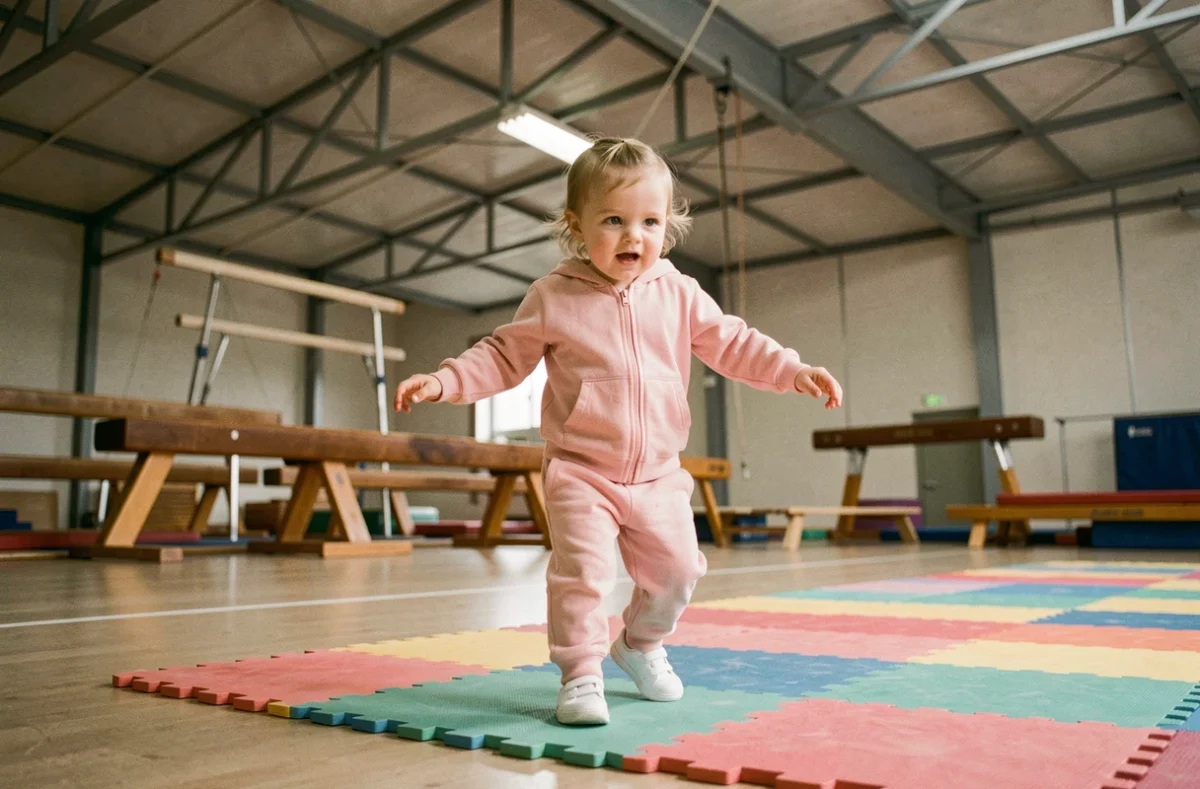
In France, among young people aged 6 to 17, two out of three engage in less than 60 minutes of physical activity per day and spend more than two hours in front of a screen. This observation, derived from a guide published by the Haute Autorité de santé, raises the question upstream: what do we really know about the benefits of sports for young children, even before they enter primary school?
Physical activity for under 5s: a broader framework than sports
Talking about sports for a 2 or 3-year-old can be confusing. The WHO, in its 2019 recommendations, does not think in terms of sports disciplines but in terms of a balanced day combining movement, sleep, and limiting sedentary time. Crawling, climbing on a cushion, running in a garden: all of this counts just as much as a structured baby gym session.
This holistic approach implies not isolating physical activity from the rest. A child who moves a lot but sleeps poorly or spends long hours strapped in a stroller does not fit the recommended pattern. Parents looking to explore activities suitable for young children can find formats designed for this audience on baby-sport.fr, where play takes precedence over performance.
A common pitfall is to transpose an adult model (regular sessions, measurable goals) to an organism that is still maturing. For young children, free and spontaneous movement remains the foundation of motor development.
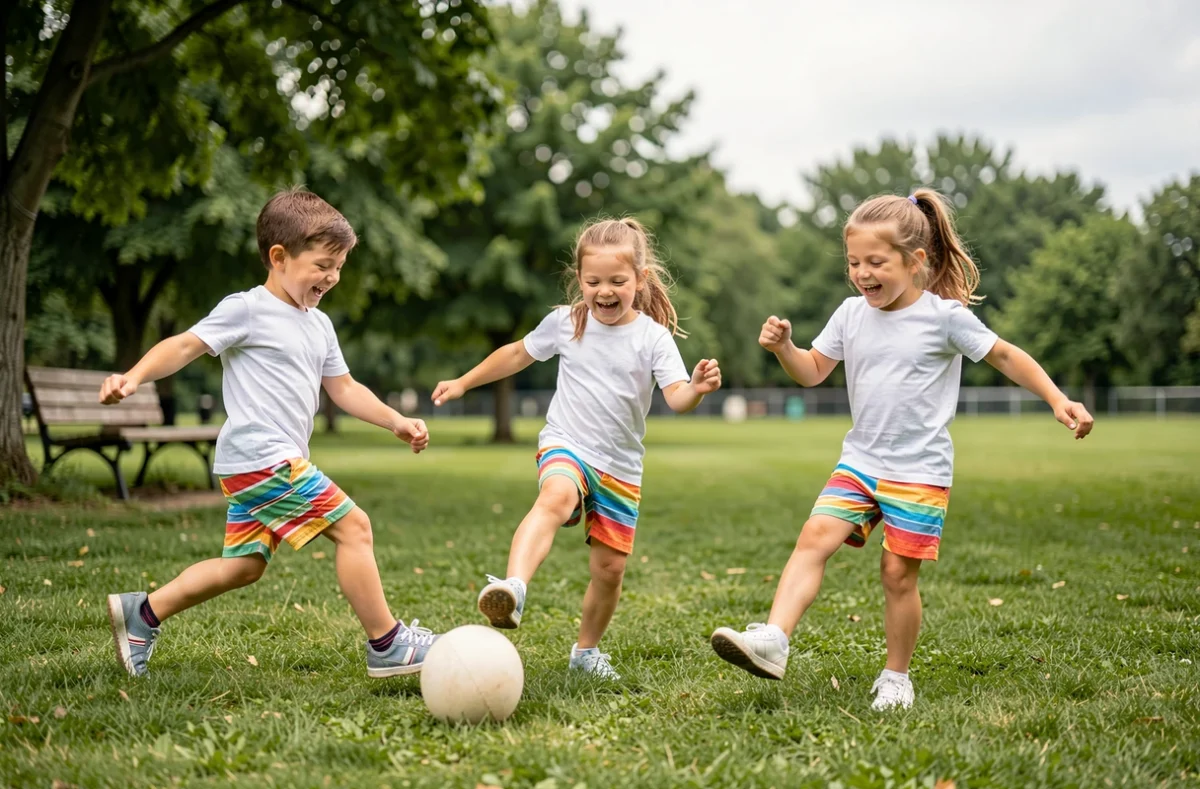
Motor development and sports before age 6: what the data says
The HAS reminds us that the beneficial effects of physical activity on health begin in childhood and continue throughout life. From a biomechanical perspective, the mechanical forces exerted during movement stimulate bone growth and neuromuscular coordination.
For young children, the question of intensity rarely arises. The difficulty is rather the opposite: sedentary behaviors increase from the earliest years, driven by the time spent in front of screens.
Water competence, a concrete case
Swimming illustrates the distinction between early familiarization and structured learning. The service note from February 28, 2022, from the Ministry of National Education regulates school swimming with precise requirements regarding supervision, qualifications of instructors, and material conditions.
For young children, the goal is not to swim in the technical sense. Water competence aims at familiarization with water and safety, well before the swimming safety certificate, which comes later in their education. The so-called “baby swimmer” sessions fall under this awakening logic, not sports training.
Enjoyment as a driving force: limits of a goal-oriented approach
The HAS identifies enjoyment as the main motivation lever for children. This point deserves attention because it comes into tension with how some organizations offer sessions for those under 6.
A 3-year-old child who refuses to participate in a motor skills workshop is not showing a lack of will. Their attention system does not allow them to follow long instructions. Their concentration phases are short. Activities suitable for this age work through imitation, free exploration, and interaction with adults, not through the repetition of exercises.
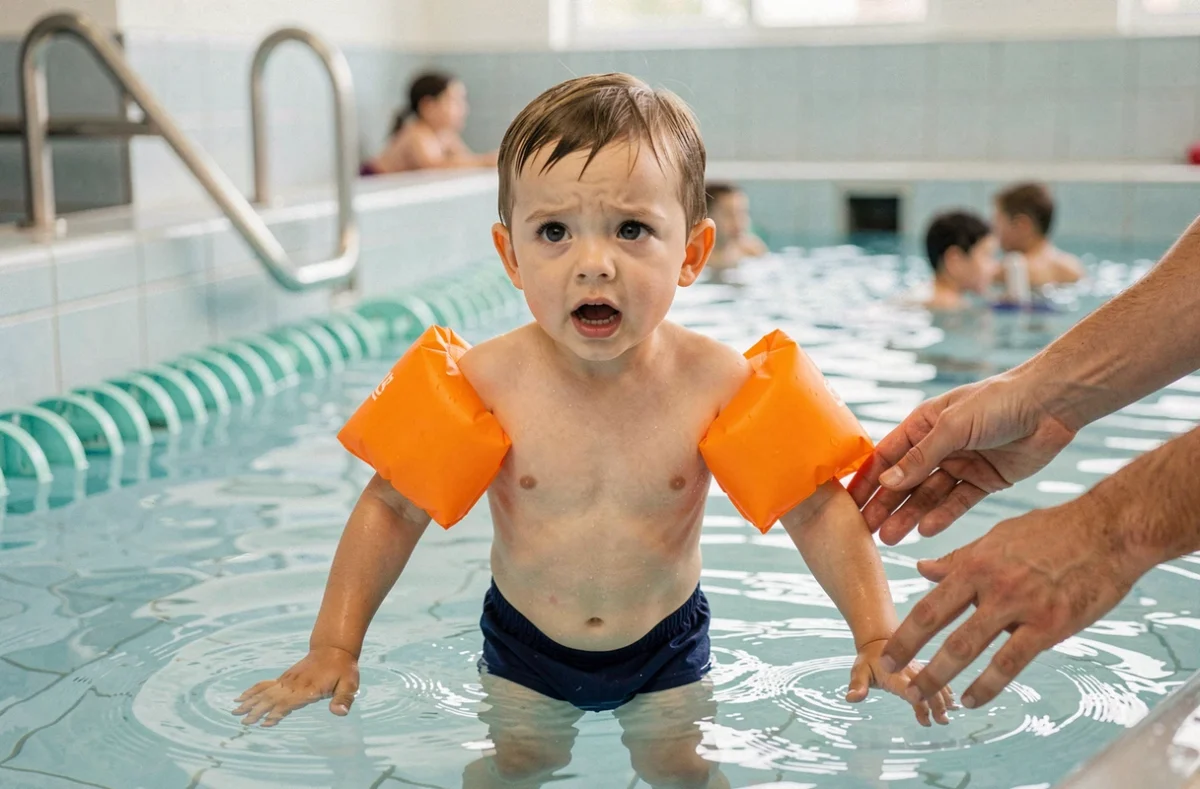
The available data does not allow us to conclude that structured sports activity before age 3 provides a measurable benefit compared to supervised free play. However, after age 3, structured collective activities seem to promote social skills (waiting for their turn, cooperating, respecting a simple rule).
Children’s health and early sedentary behavior: the real public health issue
The debate about the ideal age to start sports masks a more concrete problem. Early sedentary behavior is progressing faster than sports practice is declining. The time spent strapped in (stroller, car seat, bouncer) and the cumulative screen time alter motor habits long before the question of sports arises.
The WHO recommendations for under 5s emphasize a point often overlooked:
- Children aged 1 to 2 should be physically active in multiple ways, spread throughout the day, not concentrated in a single session.
- Screen time is discouraged before age 2 and should remain very limited between ages 2 and 5.
- Quality sleep, in terms of duration and regularity, is an integral part of the recommendations on physical activity, not a separate aspect.
This integrated vision changes the perspective. Introducing a child to sports is not enough if the rest of their day is sedentary. Two baby sport sessions a week do not compensate for six hours of daily immobility.
Role of health professionals
The HAS guide aims to help health professionals identify inactive or sedentary children, recognize those at risk or with limitations to practice, and support families. The HAS specifies that there is no total and definitive contraindication to physical activity in children, which should reassure hesitant parents.
The goal is not to turn every young child into an athlete, but to preserve their natural ability to move before sedentary habits take hold. Movement, in all its forms, remains the first ally of child development, provided it respects their rhythm and enjoyment.