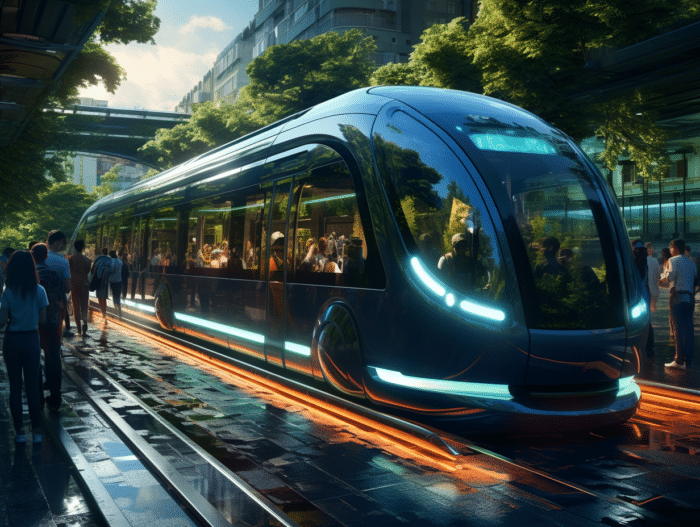
The future of transportation sparks the imagination with promises of revolutionary technologies. From autonomous vehicles navigating the streets without a driver to levitating high-speed trains, the race for innovation continues to accelerate. Experts speculate on the imminent arrival of passenger-carrying drones and eco-friendly hypercars. The integration of artificial intelligence promises to optimize journeys and reduce traffic jams, while environmental concerns drive researchers to design sustainable mobility solutions. These advancements could radically transform our travel habits, offering a fascinating glimpse into a world where getting around could mean efficiency, safety, and environmental respect.
Technological advancements revolutionizing the transport of tomorrow
The transport sector, dynamic and undergoing transformation, relies on an incessant wave of technological innovations. The integration of artificial intelligence, the internet of things, and principles of quantum physics outlines the contours of a futuristic mobility system. The means of transport of tomorrow, born from deep reflection on innovation, promise to disrupt our daily practices.
Autonomous cars, already being tested by players like Tesla and Uber, could eventually relegate traditional cars to the status of relics from a bygone era. Autonomous trucks are emerging as pioneers of a revolution in the field of goods delivery, while initiatives like TuSimple, which recently raised $55 million to export its driverless trucks to the United States, confirm the ambition and potential of these technologies.
At the same time, traffic management is undergoing a radical transformation thanks to advanced traffic management systems, which rely on artificial intelligence to predict and prevent traffic jams. Innovation extends even to license plates, now connected, allowing for automatic fine collection and quick alerts in case of accidents. This technological ecosystem echoes the notion of connected highways, capable of recharging electric vehicles in motion and monitoring traffic in real-time for optimized management.
The Car Directory is no longer just a catalog of available models but is becoming an index of advanced technologies, featuring integrated AI assistants in recent vehicles, helping inexperienced drivers better navigate the road. The future of transportation is part of a vision where urban planning and mobility merge into a smart city, like the connected city of Ford, and where rail transport is reinvented with the advent of autonomous trains such as the Hyperloop.
Predictions and challenges for sustainable and intelligent mobility
The digital transformation of the transport industry continues to accelerate, driven by the emergence of greener technologies and the quest for sustainable mobility. Current innovations, such as Tesla’s autonomous cars, TuSimple’s driverless trucks, and Local Motors Olli solutions powered by IBM Watson, sketch an era of enhanced road safety and logistical optimization. Their developments promise to reduce costs and improve energy efficiency, thus contributing to a smaller carbon footprint.
Intelligent traffic management systems and connected license plates fit into the vision of a smart city, where traffic jam prevention and rapid incident management become reality. These systems, coupled with smart infrastructures like connected highways, capable of recharging electric vehicles in motion, outline an urban infrastructure capable of meeting the challenges of tomorrow’s mobility.
The integration of embedded technologies and AI assistants in recent vehicles serves not only to guide novice drivers but also to collect valuable data for the continuous improvement of navigation systems. These advancements, combined with futuristic urban planning projects, such as Ford’s connected city, lay the groundwork for an urban environment where the navigation of autonomous vehicles is optimized for maximum fluidity and safety.
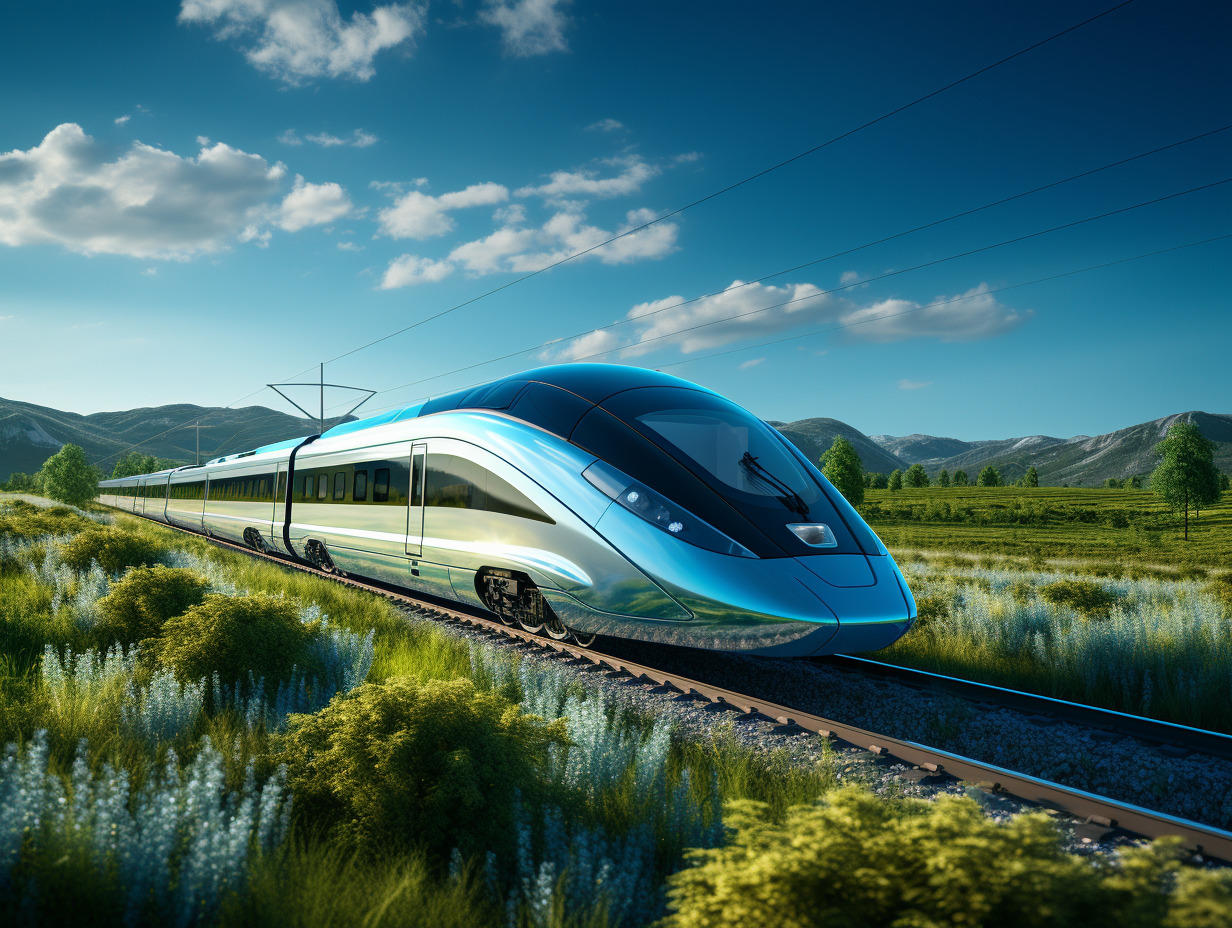
Rail transport is not left behind, with the integration of autonomous trains and ambitious projects like the Hyperloop, which could redefine the speed and comfort of long-distance travel. Aerial transport is also looking to the future with the development of drone taxis and autonomous planes that promise to decongest urban traffic. These evolutions, along with innovations in maritime, space, and public transport, align with the imperative to develop mobility that is ever safer, more accessible, and environmentally friendly.